
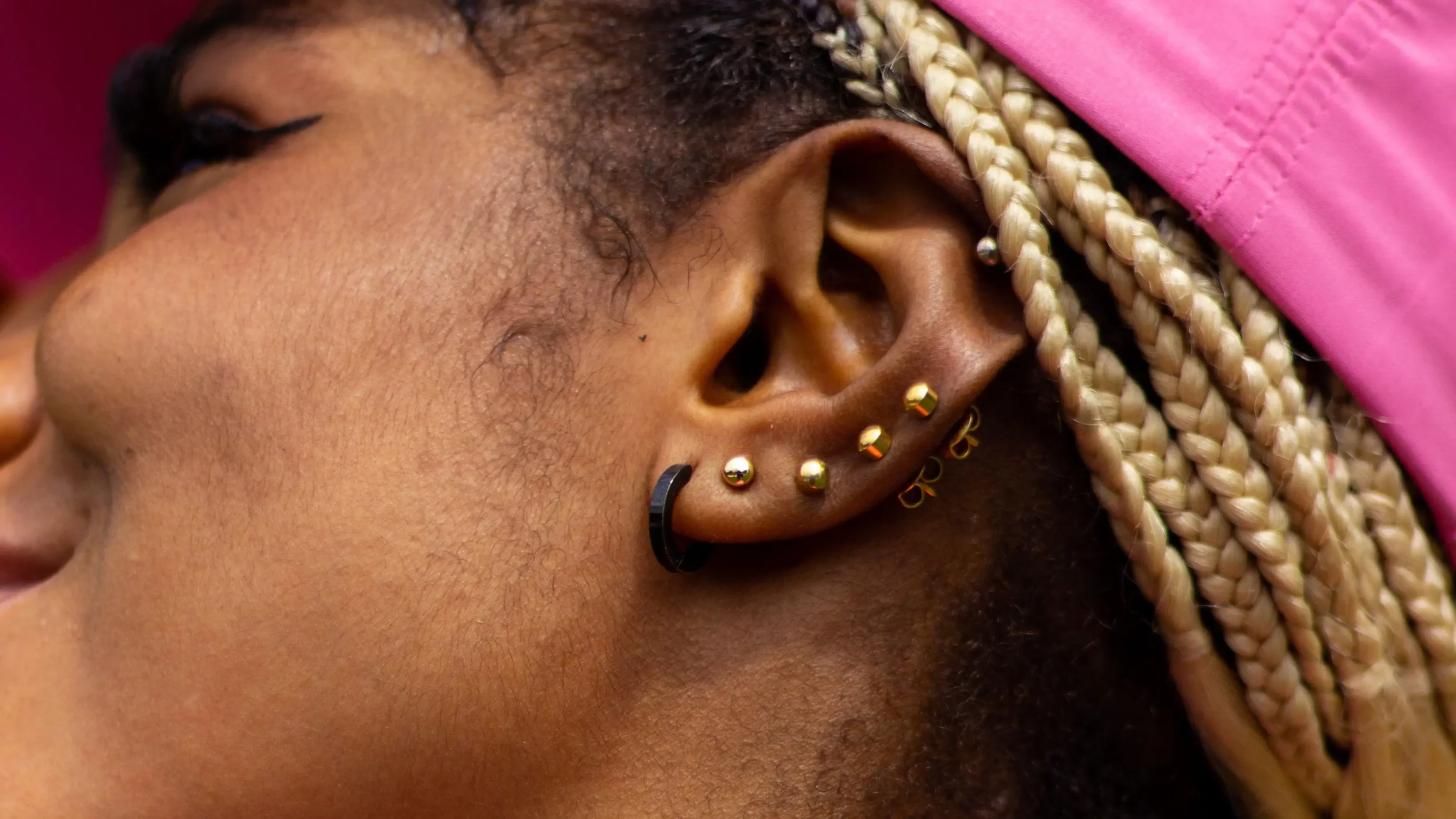
The best aftercare is simple:
Keep it clean and leave it alone. Clean your new piercing once or twice a day with sterile saline, and don't touch or twist the jewelry.
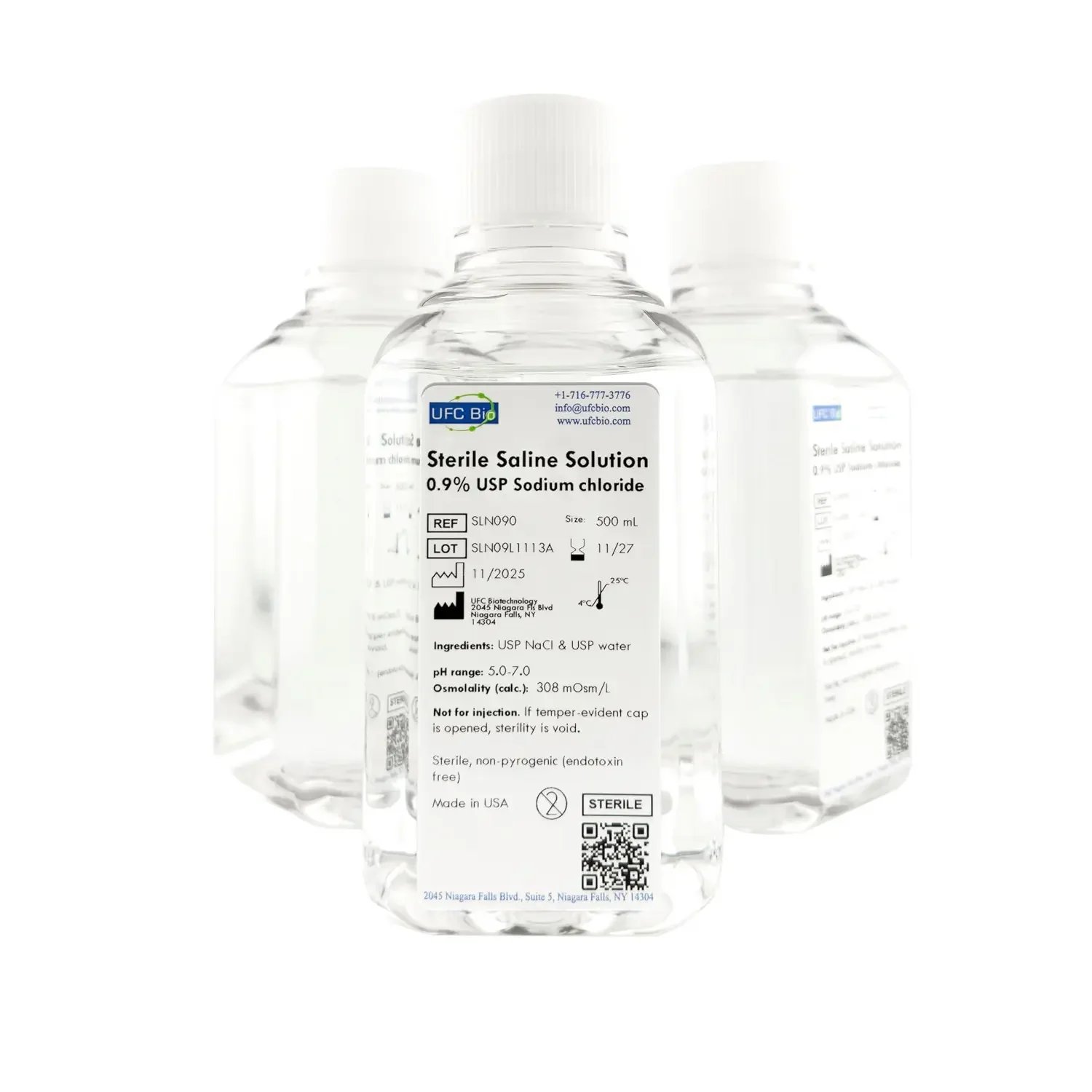
What to use:
Use packaged sterile saline labeled as a wound wash, with 0.9% sodium chloride as the only ingredient. You can find it at most pharmacies.
Do not use:
Homemade salt water
Contact lens saline, eye drops, or nasal spray
Alcohol, hydrogen peroxide, or iodine
Antibacterial soap, Bactine, or products with benzalkonium chloride
Ointments, which block air from reaching the piercing
How to clean it
Wash your hands.
Spray the front and back of the piercing with saline.
Gently remove any crust with clean gauze or a cotton swab soaked in saline.
Pat dry with a clean paper towel or gauze. Cloth towels hold bacteria and can snag jewelry.
Do not rotate or move the jewelry while cleaning.
What's normal
First few days: some bleeding, swelling, tenderness, or bruising
During healing: itching, some discoloration, and a whitish-yellow fluid that dries into crust on the jewelry. This is not pus.
A piercing can look healed on the outside before it heals on the inside. Keep cleaning for the full healing period your piercer gives you.
What to avoid while it heals
Pools, hot tubs, lakes, and the ocean
Lotions, makeup, sprays, and hair products on or near the piercing
Sleeping on a new ear or cartilage piercing. Try turning a clean t-shirt over your pillow each night.
Hanging charms or anything extra from the jewelry
Over-cleaning, which irritates the piercing as much as not cleaning
How long healing takes
Most piercings heal in about six weeks, but some take several months. Cartilage, navel, and surface piercings take the longest. Your piercer will give you a timeline for yours.
Sources
Association of Professional Piercers, Aftercare
Association of Professional Piercers, Suggested Aftercare for Body Piercings
Mayo Clinic, Piercings: How to prevent complications
